Hands, Hooves, and Heart: Experiential Understanding That Lasts
The gelding before me, a dewy-eyed sorrel with a crescent of white on his temple, is taking a breath like a bellows. Next to him, a teen called Eli is striving to be still. It is not going well. His feet touch a fast rhythm, his hands turn completion of a lead rope, his eyes skitter across the sector. I ask Eli what his breath is doing. He shrugs. The equine snorts and turns an ear towards him. We count together, four in, four out, and I show him exactly how to broaden his position so his knees stop securing. The steed softens first. Then Eli's shoulders drop a portion of an inch. The air adjustments. We do not speak about calmness. We practice it. We feel it take a trip from a child's ribcage to an equine's flank, and back again.
Hands, hooves, and heart, done in the very same conversation. That is the assurance of finding out with horses.
What discovering looks like when the field ends up being the classroom
Experiential understanding with steeds is not regarding finding out to ride, although riding can be part of it. It is about straight engagement, clear comments, and abilities you can feel in your bones. The equine reads the whole of you, not simply the tale you outline on your own. You try something, the horse reacts, you change. There is no theoretical worksheet that can compete with a thousand-pound teammate that addresses your request in actual time, with passion or reluctance or a quiet step forward.
Terms differ, and the field is richer for it. Therapeutic horsemanship tends to focus on structure physical, emotional, and cognitive skills with structured horsemanship jobs. Equine-assisted services is a broader umbrella that can consist of psychological health and wellness treatment, job-related or physical therapy, equine-assisted activities for recreation and growth, and mentoring or health job that is not scientific. When a facilitator discuss equine-facilitated mentoring or equine-facilitated wellness, they are usually defining individual or specialist growth alongside a steed rather than treatment of a medical diagnosis. The typical string is this: we let the equine be a steed, and we let the connection do component of the teaching.
I have watched a company team fighting with trust fund find out more in an early morning of team structure with horses than they had in a quarter of slide decks. I have also enjoyed a kid on the autism range uncover that the softest touch makes a gigantic animal step, and for the first time see that his body can be an accuracy instrument, not just a resource of noise. The material adjustments, the form of the field adjustments, the boots track their very own patterns in the dirt. The reason it lands remains the very same. It is lived.
Why horses are such great teachers
Horses are prey animals with finely tuned nerve systems. They survive by observing the tiniest shifts, after that matching, avoiding, or inviting appropriately. Individuals can mask and justify for hours. Equines do not mask. They react to congruence, to whether your within and outside concur. This can be perturbing if you are used to managing on words. It can also be liberating.
From a nerves viewpoint, equines use co-regulation. You step into the visibility of a big, hip to creature whose heartbeat is slower than yours, whose breath cycles are longer, whose focus moves in a clear pattern from near to much and back once more. If a program is established with the horse's well-being and company front and facility, the animal's tranquil interest becomes a model. Customers discover to orient their eyes and body, to discover their very own breath, to move from competing ideas to felt feeling. Somatic healing with steeds does not mean the steed is a therapist. It suggests that the body, human and equine, is part of the procedure. We develop capability one feeling at a time.
The physical dimension of an equine also matters. Asking for movement and receiving it, or requesting for space and having a steed respect it, equates strongly to interpersonal limits. You can not phony a border with a thousand pounds of opinion. You gain it with clarity, timing, and fairness. For teenagers discovering consent and assertiveness, or leaders exercising delegation, there are few mirrors as honest as an equine at the end of a lead.
A day in the field, action by step
Programs differ, yet a well-held session adheres to a rhythm that appreciates both students and herd. Below is an usual circulation when I bring a newbie into the work.
- Arrival and check-in. We orient to the room, testimonial safety, and speak about objectives in ordinary language. If stress and anxiety is high, we start by simply seeing the herd from outside the fence.
- Consent and selection. We see which equine is offered and interested. If a steed pins ears or leaves, we reviewed that as details, not rejection, and readjust. Clients find out that no is allowed, for horses and for people.
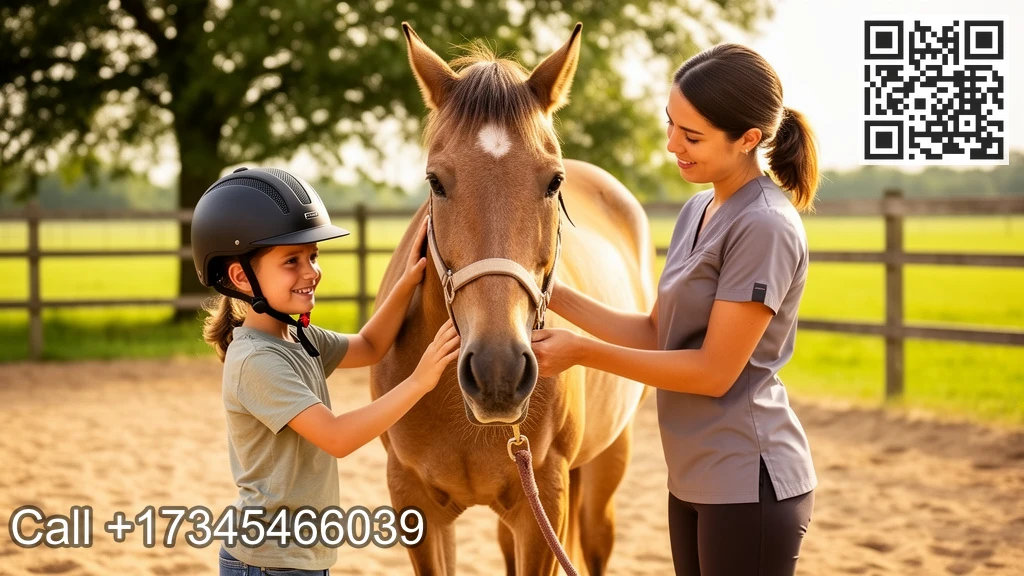
- Groundwork. We start on the ground before riding, frequently for the entire session. Haltering, leading, grooming, and spatial workouts construct connection and confidence.
- Reflection moving. In between jobs, we pause to call what simply occurred. Not a lecture, a question or two. What aided that work. Where did it get sticky. What altered in your body. The horse's actions is our data.
- Transfer. We tie the really felt experience to life past the sector. What variation of this turns up in the house conferences. Exactly how will certainly you exercise the skill this week.
You will certainly notice a lot of silent in that flow. Silence is not a void. It is where nerves clear up and finding out sticks.
The various tracks and who they fit
Equine-assisted services live at the intersection of recreation, education and learning, and health and wellness. The ideal track depends upon your goals and context.
Therapeutic horsemanship is suitable if you want structured abilities that sustain balance, sychronisation, focus, and self-confidence. A cyclist with mild cerebral palsy could work with core interaction and timing. A center schooler that prevents eye contact could exercise providing three clear cues to an equine, after that see just how the pet's reaction adjustments with tone and position. Sessions are usually once a week, with goals embeded in quarters or terms. The criteria are concrete. Placing separately. Halting at a cone with loosened reins. Keeping a regular rhythm around the arena.
For mental health and wellness therapy, seek programs where an accredited clinician partners with an equine professional. Anxiety support with horses can look like interoception job, enduring uncertainty, and practicing grounding skills under moderate stress. Think leading an equine over a tarpaulin, not performing methods. Customers commonly report much better sleep and less panic spikes after 4 to 8 sessions when they likewise practice skills in between brows through. That variety is sincere, not wonderful. Without research, gains drift.
Equine-assisted training, in some cases called equine-facilitated coaching, concentrates on leadership, interaction, and personal development without the professional frame. An owner stuck in micromanagement can find exactly how to request for movement, after that launch, and watch as a steed examinations and selects to adhere to. Team hideaways commonly leave with a common language. We had the rope too tight. We never reset after confusion. It is less complicated to fix a habit in the field than in the conference room because the steed offers you comments without ego.
Equine-facilitated health bridges all of these when the objective is durability, tension decrease, and a more controlled standard. It fits instructors, registered nurses, and very first -responders. The style may be semi-structured teams with brief education and learning on the nervous system, followed by equine time and debrief. It is not therapy, yet it can feel deeply therapeutic.
For students with ADHD, autism, and sensory differences
I have shed count of the number of families arrive wishing for something steadier than pointers and incentive graphes. ADHD equine finding out assistance hinges on motion and immediacy. Horses request for micro-decisions and award them right now. Do you notice the change in ear direction. Can you readjust your power to match. You do not await a gold star. You get an equine shifting closer or walking with you, which responses loophole is limited enough to educate attention. We maintain tasks short, vary them, and construct in significant jobs. Bring the steed to water, not as an allegory, literally. Lug the pail with each other. Count your steps so the slosh remains even. Executive function job hides in those moments.
An autism equine discovering program appreciates sensory profiles. For some clients, cleaning is soothing, the balanced pressure of curry comb in short circles. For others, the grit and hair are overpowering, so we change to a softer brush or groom with a wet towel. Eye call is optional. We show equines to react to clear signals that do not require looking, like a company, direct hand at the shoulder. Installed job, if proper, includes slow-moving, predictable patterns and strong support at the hips or ankles. The horse's gait boosts the motorcyclist's vestibular system. Occasionally that is precisely what assists a body organize. Sometimes it is excessive. We modulate. Earplugs and breaks are great. Precision can not expand in a flooded system.
Alternative therapy for sensory challenges works finest when it is individualized and truthful. A child who looks for deep pressure may enjoy to lean right into a horse's neck with guidance, feeling the warmth and muscle mass. A youngster who avoids touch could favor to observe silently and build trust before any contact in all. Not every barn is a match for every nerve system. The smell of natural leather and hay is basing to some and frustrating to others. We pay attention, then we choose.
There are also restrictions. Horses are not proper for energetic psychosis or extreme hostility. A teenager with neglected trauma who dissociates quickly might need stablizing in a quieter professional setting prior to entering the changability of a sector. We do not throw large sensations at big pets and call it endure. We develop capability in layers.
What success resembles and the length of time it takes
People ask me the amount of sessions it requires to see change. The sincere response is that it depends upon the goals and the integrity of the program. For a company team focused on group structure with equines, a half day can reshape exactly how they interact. The horse reveals their default patterns swiftly. They entrust to a shared experience and 2 or 3 commitments they can practice back at the office.
For private deal with anxiousness or attention, four to 6 sessions is a fair window to evaluate fit. In that span, customers commonly report qualitative changes. Falling asleep faster. Recouping from a spike in three minutes rather than twenty. Raising a hand in course without practicing every word. For riders building physical abilities, eight to twelve weeks allows toughness and balance catch up with intention.
I pay more attention to durable pens. Does a child move their halt-walk-halt quality to asking a sibling to quit touching their stuff. Does a manager that learned to launch stress after a clear ask stop sending follow-up e-mails at 10 p.m. Do families report less early morning blowups since they now stop briefly, breathe with the canine, and leave five mins previously. Knowing that lasts turns up on Tuesday at 7 a.m., not simply Saturday in the arena.
Safety, welfare, and what to ask before you enroll
A solid program worths equines as companions, not props. That begins with the herd's wellness. Horses need turnout, social get in touch with, appropriate tack, and time off. They additionally need the right to say no. If a steed pins ears or swishes a tail, personnel must observe and react, possibly switching animals or transforming the job. Approval is not just a human concept.
Look for facilitators that are learnt their lane. In therapy-focused settings, that implies an accredited mental health specialist dealing with an equine specialist who understands equine behavior and threat administration. In training or wellness programs, ask about qualifications in both training and equine handling. Educating acronyms abound. What matters most is exactly how clearly the staff can explain their technique, how they deal with triggers and repairs, and whether you really feel seen in the consumption process.
Clothing is not trivial. Closed-toe footwear with a company sole are obligatory. Safety helmets are conventional for mounted work and needs to be provided for groundwork if a client is unsteady or new. Sessions frequently run in the 45 to 75 min variety. Expenses differ by area and service type. Group experiences can be as reduced as 50 to 100 bucks per person, while private therapy or mentoring frequently runs 100 to 200 dollars per session. Scholarship funds exist at numerous barns, often supported by regional benefactors. Ask.
Here is a concise checklist I give families and groups when they tour programs.
- How are the horses selected for this job, and what does their downtime look like.
- Who remains in the field with us, and what are their qualifications.
- How do you manage a client or steed that states no, vocally or nonverbally.
- What are the goals for the initial month, and just how will we know if it is working.
- How do you prepare us for exercising skills between sessions.
If the responses audio vague or salesy, maintain looking. Deep learning does not require hype. It does require clarity, boundaries, and a culture of respect.
Coaching and teams, converted to the office without jargon
One mid-day, a start-up team of 6 involved work with delegation. Their pattern was familiar. Two leading voices directed most tasks. New ideas passed away if they were not excellent at birth. The workout was simple. Relocate a horse through a set of obstacles without touching the animal. Only one individual might talk at once. The very first effort devolved into a dispute regarding whether to start with the bridge or the posts. The horse yawned, then drifted towards a volunteer with a softer presence.
On the second attempt, they tried brief huddles in between moves and shorter, clearer instructions. The steed complied with the arc of their interest. When the CTO neglected to pause after an ask, the horse delayed. When the junior designer stepped forward with a details job and then went back, the equine cheered up and walked on. The team saw, in ten mins, the expense of vague possession and constant commentary. Back at the office, they created a method. A single person proposes, an additional fine-tunes, after that they examine in a 2 day sprint with silence throughout the test. They borrowed that silence from the sector. They kept it because it worked.
Equine-assisted training strips out buzzwords. It transforms core abilities right into muscle mass memory. Notice prior to you act. Ask with a clear body and voice. Release when the various other has actually done what you asked for. Reset when it goes laterally. Those rules service hooves and on Slack.
The quieter job of recovery and growth
Not every story has a tidy arc. Some look like this. A woman regreting her father involves the barn incapable to tolerate stillness. She has actually been efficient beyond procedure, cleansing houses, looking after a sibling's kids, functioning increases. In the field, she can hardly stand still for three breaths. The equine maintains leaving. Not in a significant way, just wandering away to munch at a hay net. She giggles, after that weeps, then states, That is what my body feels like, leaving. We exercise standing in the exact same location together for thirty seconds. We exercise touching the equine's shoulder, noticing the structure of hair under her palm. She learns to stick with a feeling simply long enough to call it. 6 weeks later, she takes her first day off in months. Not because any individual informed her to. Due to the fact that https://www.hhooves.com/lifecoaching her body keeps in mind that it can clear up without breaking.
Equine-facilitated health typically looks like this, little modifications that collect. The steed offers a representation you do not need to argue with. The facilitator keeps the container clean and risk-free. The discovering steps slowly enough to be incorporated, quickly sufficient to be interesting.
Measuring what matters without minimizing it to numbers
Programs often go after metrics to please funders, and dimension works. Attendance, objective accomplishment scaling, decreases in self-reported anxiousness, improvements in executive feature tasks, these can all be tracked responsibly. I likewise take note of subtler signals. Does a client show up on schedule extra continually. Do they ask a more clear inquiry in the initial 10 mins. Do they recuperate quicker when an equine refuses a request, moving from force to curiosity.
For children, instructors are a goldmine of information. I request tales. Less phone calls home about blurting. Smoother transitions in between classes. More desire to attempt a non-preferred task. When a child starts to make use of a phrase like soften your hands with a brother or sister or breathe prior to you ask with a moms and dad, I recognize the discovering has crossed out of the arena.
Trade-offs and edge situations that should have attention
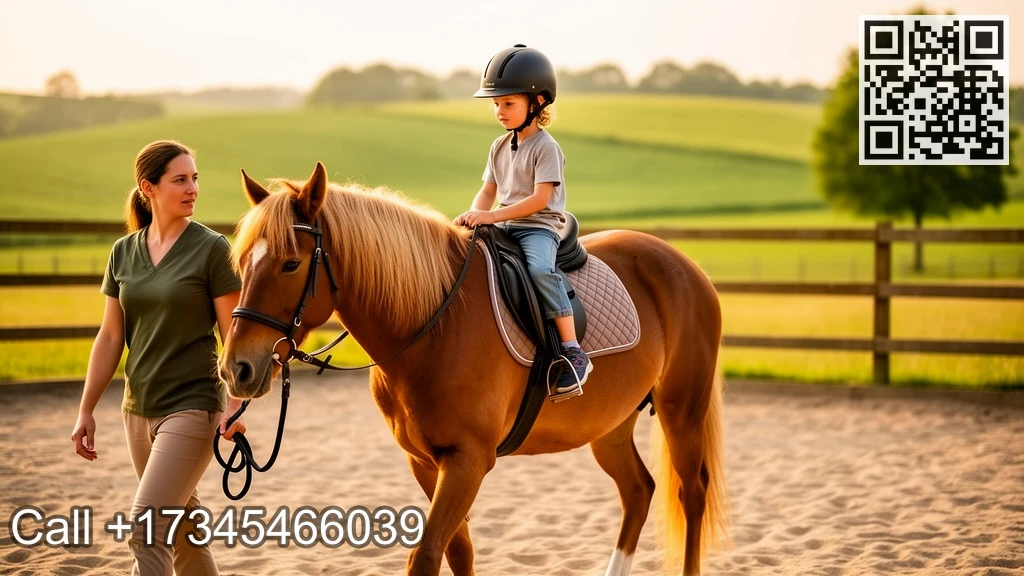
Some learners love equines and wish to ride every session. For them, we make mounted job subject to groundwork. The compromise is actual. Riding can accelerate equilibrium and rhythm, yet it can also mask connection if made use of as an incentive. I look for a proportion that keeps the connection primary. Commonly that suggests riding the 2nd fifty percent of the hour after we have actually signed in on breath and border work on the ground.
Other times, installed job is not ideal at all. A client with pelvic instability, severe back pain, or a history of sexual injury that makes sitting astride activating may do much much better with liberty work in a round pen or structured pet grooming. Progression does not need a saddle. You can exercise timing and approval perfectly at a steed's shoulder.
Weather is an edge instance you can not beauty away. Cold, wind, warm, and mud change exactly how equines relocate and exactly how human beings really feel. Good programs have indoor options or changed prepare for questionable days. In my barn, high wind means less obstacles and even more monitoring. Warmth suggests much shorter sessions and shade breaks. Recognizing weather is not coddling. It is realism, and it keeps everyone safe.
Preparing yourself or your child to begin
The night prior to a first session, I send a brief note. Use layers, closed-toe shoes, and clothing that can get dirty. Consume a treat ahead of time. Bring a water bottle. Expect to feel a lot more, literally and psychologically, than common. That is not a warning. It is permission.
If you are a moms and dad, inform your kid 2 or 3 points, then quit. We are going to fulfill equines. We will find out exactly how to remain secure. You reach make choices. Do not oversell it. Allow the barn and the equine do the convincing. Children pick up when we are attempting too hard. Steeds do too.
For teams, pick one common objective you can call in a sentence. We talk over each various other. We stay clear of hard feedback. We lose emphasis after dispute. Vague hopes water down the job. Details rubbing makes it honest.
Why this discovering lasts
Practice beats concept when it comes to the nerve system. You can check out borders or cooperation for many years and still ice up when it is time to act. In the arena, you feel it. You discover just how your breath reduces when you request motion. You learn what takes place when you hold way too much stress and when you release prematurely. You find out that curiosity functions better than pressure with a thousand-pound animal, and afterwards you discover that it likewise functions better with your teen or your team.
The heart part matters. Equines welcome inflammation without sentimentality. You curry dust from a shoulder and see the skin jerk under your hand. You observe the pattern of hair growth and a scar you had not seen. You care, not in an abstract means but in a hands-on manner in which modifications just how you relocate. That treatment expands, often without excitement, into just how you manage yourself elsewhere.
The hooves component matters. Motion locks in learning. You stroll. You quit. You step laterally. You do it once again. Your body becomes part of the memory. My customers bear in mind the sensation of an excellent ask, the weight change of a stop, the launch in their very own forearms. Later on, when they remain in a tough discussion, they can discover that experience and recreate it without a saddle or lead rope throughout sight.
And the hands. Work with steeds is not symbolic, it is practical. You bend, link, scrub, lift, and bring. The labor belongs to the medicine. It provides pride and concreteness to people that have been talked at. It reveals results. A sloppy unguis ends up being clean. A twisted lead becomes nicely coiled. A field full of barriers becomes a path you and an equine browse with each other, step by step.
Finding your method in
If this job contacts us to you, start by going to. Stand at the fence and let the herd soften your vision. Ask the personnel concerning their equines as people. If they can inform you what every one sort, who gets anxious near the gate, who likes soft voices, you are in good hands. If the barn smells of hay and tidy sweat, if the tack remains in order, if individuals welcome the equines by name and wait on ears to flick before coming close to, you have found a society that counts on slow-moving attention.
From there, the path will be yours. Possibly it is equine-assisted tasks for your youngster who needs a task that really feels genuine. Possibly it is equine-assisted coaching for you as a leader discovering to let go. Maybe it is resting on a placing block while a horse grazes nearby, practicing the radical act of taking a breath completely down to your feet.
Hands, hooves, and heart. The sector keeps its very own time. The lessons suit Tuesday at 7 a.m., where they matter most.