Lead with Heart: Equine-Facilitated Training for Leaders and Groups
The first time I enjoyed an elderly management group attempt to lead an equine via a straightforward pattern, they brought all the practices they made use of busy areas. One leader told like a podcast host, one more attempted to spread sheet the moment aloud, a 3rd floated with nervous energy. The mare, a chestnut with a kind eye, stopped briefly, flipped both ears, after that wandered toward the quietest individual undecided line. In 2 minutes, she exposed what it typically takes months of meetings to see. She looked for clearness, not quantity. She followed congruence, not titles. And when a person took a breath, softened their shoulders, and asked clearly, she moved with them.
That is why equine-facilitated coaching adjustments leaders and groups. Steeds notice what humans often miss. They give unbiased, instant feedback regarding the top quality of our visibility and the positioning between purpose and action. They do not care about your résumé. They care if you are risk-free to follow.
What equine-facilitated mentoring is, and what it is not
Equine-facilitated coaching rests inside the wider area of equine-assisted solutions, that includes equine-assisted activities, restorative horsemanship, and medical offerings led by accredited therapists. Training focuses on expert and individual development, not diagnosis or treatment. The aim is understanding and skill-building with experiential learning with horses. The majority of mentoring sessions are done on the ground. No riding is needed, and for corporate teams I usually prohibit it to make sure that leadership and group dynamics remain at the center.
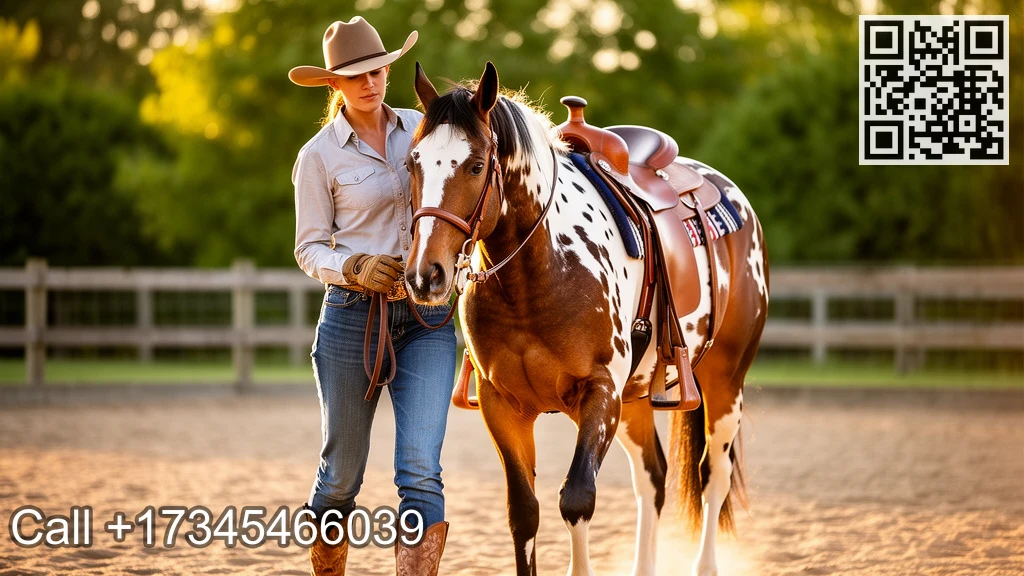
If a customer is seeking mental health therapy for trauma or professional anxiety, I refer them to a licensed professional that supplies treatment with horses. Those solutions could be called equine-facilitated health in a clinical context. If a person is navigating sensory handling distinctions or learning differences, we can make targeted equine-assisted training that sustains self-regulation and exec performance, or we may suggest an autism equine finding out program or ADHD equine finding out assistance in control with appropriate companies. In other words, the horse work satisfies individuals where they are, with clear limits around scope.
Why equines help leaders discover faster
Horses are victim animals with beautiful sensitivity to nonverbal signs. Living as herd animals, their survival depends upon checking out objective, remaining hip to, and acting without dramatization. They check heart rate, breathing patterns, muscle mass stress, the instructions of eyes and feet. With that lens, they react to the genuine message instead of the one we say.
When a leader claims, Relocate, yet their body is reluctant, the equine plants its feet. When a supervisor tries to please everybody at the same time, the steed drifts in between alternatives or checks out. When a person holds a constant border, supplies clear direction, and allows choice within that frame, the horse unwinds and follows. It is a workshop without PowerPoint and with even more reality than e-mail can hold.
There is also a somatic element that class learning hardly ever accesses. I have actually seen an entire exec group resolve their breathing to match a gelding's rhythm, then carry that coherent state back to a tough discussion. Somatic healing with steeds is not a magic bullet, however the co-regulation is actual. Heart rate variability tends to enhance when individuals shift into a regulated state. The equine's comments, particularly when assisted in well, offers individuals a really felt sense of harmony they can replicate later on at their desk or on a call.
How a normal session unfolds
We start with safety and security. Boots, safety helmets provided, regard for area. I present each equine by name and character. The group finds out exactly how equines connect: where ears point, what licking and eating may signal, exactly how a head turn can suggest Yes, No, or Possibly. We do not flood the herd with strength. We match the moment.
Then we heat up with low-stakes workouts. Grooming is a preferred. A brush in the hand, the smell of hay, soft hair under your hand. Individuals decrease. Someone who never stops chatting in meetings ends up being silent and concentrated, and the equine pulls down, sighs, cocks a back foot. We discuss what helped that shift.
Next, we transfer to a job: halter the horse and lead it through a pattern of cones and posts. The direction is simple enough that anyone can try, yet intricate adequate to expose patterns. That takes obligation for clearness. Who over-functions and that abdicates. How the group takes care of uncertainty. I use marginal input at first so the horse can offer the responses. If the steed ices up, pushes, or swings broad, it is details, not failure.
We might develop a team barrier, then ask the group to invite the equine through, without dragging or paying off. They need to discuss functions and method: Who establishes direction, who enjoys the rear, who notifications the steed's smallest Try. When it works, you can feel it shift. When it does not, we stop and attempt once again with fewer words and better timing.
Along the means, we track body sensation and breath. We call what was coinciding and where somebody got on behavior. People discover to adjust stress and release, a cornerstone of great horsemanship and good management. Pressure obtains a bad rap, however with flawless timing and fairness, it can create quality. The launch, even more than the ask, informs the equine you observed their initiative. In the workplace, that is the difference in between a never-satisfied boss and a leader who celebrates incremental progress.
Skills that really stick
The barn distills leadership into a handful of personified competencies.
Presence. The horse reacts to currently, not your ruminations concerning last quarter. Leaders exercise showing up in their body, breathing equally, feeling feet on the ground. They find a network of focus that is calm however not checked out. When a person obtains spread, the horse makes it clear. When the individual facilities, the horse follows.
Clarity of ask. Vague intention causes vague results. With a thousand-pound mirror on your side, that concept ceases to be an allegory. Leaders discover to make a solitary, certain request, after that wait. Fifty percent the breakthroughs I see come from the technique of one clear ask at a time.
Boundaries with connection. Steeds trust limits that are solid and kind. As well inflexible, and the horse braces. Also mushy, and the steed assumes you are not accountable of safety. We practice stepping into common space and then yielding, like great conversational turn-taking.
Repair after rupture. Human beings miscue therefore do equines. The step of a team is not whether rubbing takes place however how rapidly they observe, repair, and reset. Equines forgive promptly when the human adjustments. That offers individuals self-confidence to course-correct without shame.
Consistency. The 2nd time you do something well, the steed starts to count on it. Leaders entrust to micro-routines they can repeat. Breathing before speaking, naming the objective, giving clear launch. Little habits compound.
Team building with steeds, minus the fluff
A great day of team building with horses is not a circus adventure or depend on fall in camouflage. It is honest work that brings patterns to the surface area without humiliating any person. I ask groups to create the approach for a job, after that implement it with a steed who has a vote in the matter. The animal's action puncture politics. If a project manager is always forced into cleanup mode at work, they will end up holding the lead rope without back-up. If problem avoidance is the group's default, the steed will certainly discover the void and stall out. Once people see it, they can attempt brand-new go on the spot.
I usually pair this with quick, organized representations back in the tack room. Not the common What did you learn, however directed questions. When did you feel need to over-explain. That tracked danger while others pressed. Where did you discover a moment that desired a lot more silence. The understandings stick due to the fact that the body really felt them.
I have additionally seen just how these sessions create mental safety quicker than a day of slides. Not because equines are magic, yet because they require credibility. You can not fake calm for long. When the senior VP admits, My chest obtained tight when the gelding leaned on me and I wanted to yank, it opens up room genuine talk about stress at the office. Colleagues identify their very own moves and really feel much less alone.
Making space for various minds and bodies
Not everyone prospers in a fluorescent-lit training room. Some leaders and learners require movement, tactile input, or peaceful. The arena offers all 3. For clients with focus distinctions, ADHD equine discovering support blends clear, step-by-step tasks with prompt responses. The horse apportions interest much better than most apps. I have enjoyed someone who has a hard time to rest still at a workdesk hold consistent focus for a full hour, since the task mattered and the feedback was alive.
For individuals who refine sensory input differently, the barn can be a different therapy for sensory difficulties, in some cases as an enhance to various other assistances. You can modulate stimulations by picking a quiet pasture over a hectic arena, by brushing instead of leading, by matching with an equine who moves softly. I create sessions so individuals can decide in or step back scot-free. Noise-canceling headphones are welcome. Some clients benefit from heavy vests or longer transitions between tasks. It is not coddling; it is wise layout for learning.
Families ask about an autism equine discovering program, and the answer is that steeds can support social knowing and self-regulation when the facilitation is thoughtful and individualized. We concentrate on basic, consistent regimens, visual cues, and success experiences. Once again, when goals step into treatment area, we coordinate with certified medical professionals. I have actually seen attractive progression when the barn joins a bigger circle of care.
On the anxiety front, the barn can offer based practice. Anxiousness support with equines could appear like practicing breath and body placement up until a steed's head lowers and their lick-and-chew mirrors your change. That does not replace treatment, but it provides nervous minds something straightforward to exercise. The horse does not judge, they simply respond.
What the research suggests, and what field method adds
The proof base is expanding but still young. Studies of equine-assisted activities and equine-facilitated interventions frequently come along in self-efficacy, social performance, and policy, though sample sizes are tiny and techniques differ. From a mentoring point of view, the more appropriate information often originate from within organizations. Pre and publish 360s, pulse surveys, and retention or interaction metrics tell a useful story.
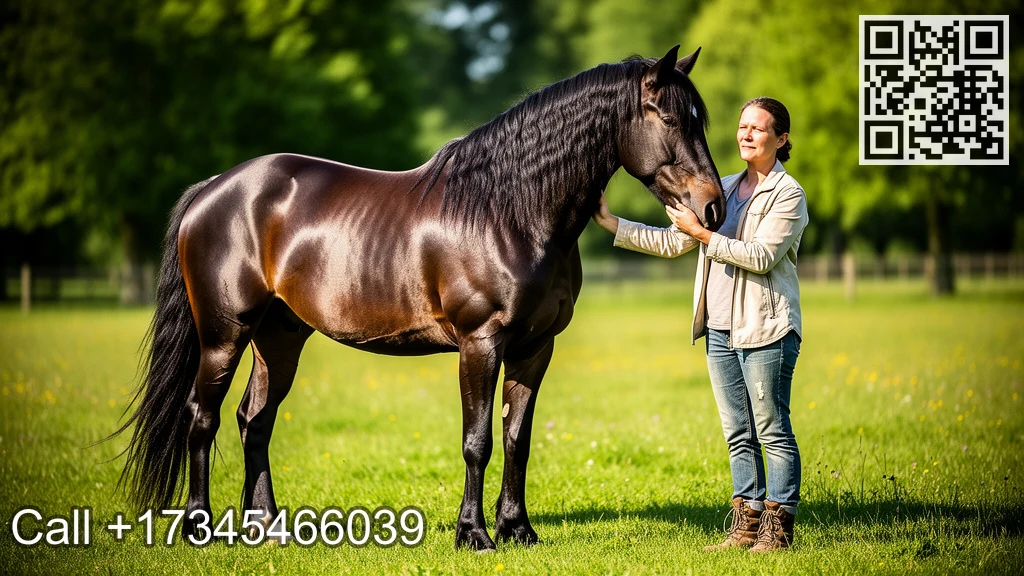
In my field keeps in mind over a decade and more than 2,000 participant-hours, I see constant patterns. Leaders boost their capacity to offer one clear ask, teams shorten the loop in between mistake and repair work, and individuals report lugging barn methods right into hard conferences. I likewise track physical indicators in some accomplices, such as relaxing heart price and regarded stress ranges, not as evidence yet as a method to keep myself honest. The impact is not uniform. A couple of people do not connect with steeds. Weather condition, center quality, and facilitation ability all impact outcomes. Still, the proportion of effort to insight is unusually high.
Co-regulation is a location where science and really felt experience satisfy. When a human changes into a regulated state, steeds usually react within seconds. You can view ears soften and muscles ravel. That is biofeedback you do not require cords to see.
Safety, well-being, and values that really shield both species
Good collaborate with equines starts with good treatment of steeds. That implies sound animals, not overused, with yield, herd time, and veterinary and farrier treatment. It implies jobs matched to the steed's training and personality. In my program, steeds function an optimum of four sessions a week, with a lot of rest days. We retire them from client-facing job when their body or wish states it is time.
Consent issues. We ask steeds, not require them. If a gelding signals No today with regular evasion, we listen. That is not indulgent. It shows people to recognize thresholds in associates and in themselves.
Human safety is more than safety helmets. It is rated exposure, clean assistance, and clear duties. The train takes care of the human learning and the equine specialist views the steed. We practice what to do if an equine alarms, we established borders around room, and we do not pursue heroics.
We differentiate training from therapy at every action. If a client divulges injury, we offer resources and remain in extent. We make use of simple language concerning what we can and can refrain from doing. Integrity builds trust fund, and individuals can feel it.
Two quick devices for selecting a provider
- Ask regarding range and credentials. That instructors. That takes care of equines. Are they trained in equine-assisted mentoring and experienced with teams like yours.
- Observe equine welfare methods. Yield, herd life, body problem, rest days. If the equines look closed down or sour, walk away.
- Clarify security protocols. Biker or no riding. Emergency situation plans. Equipment fit. Just how they grade tasks by risk and skill.
- Review dimension methods. How do they define success. What data do they accumulate previously and after.
- Request referrals and a site browse through. Talk to a previous client. Check out the barn. Notification exactly how you and the steeds feel there.
How to prepare your group for a barn day
- Wear closed-toe footwear or boots, layers you can relocate, and sun block. Leave dangling fashion jewelry at home.
- Eat a real morning meal and moisten. Nerves really feel larger on an empty stomach.
- Bring a finding out question, not a performance objective. Curiosity feeds far better outcomes than perfectionism.
- Expect to be outside your comfort zone, yet within your ability. You can constantly pause or tip back.
- Plan a 60 to 90 minute debrief later on that week. Combination makes the day worth the investment.
Case notes from the arena
A regional bank brought twelve leaders after a merger. The group had created a society of politeness, which seems kind until you see how it obstructs truth. In the initial workout, they attempted to lead a steed through a narrow S-turn. Every person wished to help, so heads and hands crowded the room. The mare pinned her ears and quit. We reset with two individuals in the pen and the rest outside, each with a specific function. The second time, the leader stated, Stroll with me, then stopped two beats to let the horse choose. The mare adhered to, tail loose. In the debrief, a supervisor stated, I recognized my behavior is to enter when I am anxious, that makes others really feel micromanaged. Within a month, their meetings changed to clearer ownership and less participants by default. They informed me their typical choice time on tier-two issues stopped by regarding 30 percent.
A start-up founder with ADHD came for three sessions, not to deal with anything, however to convert kinetic brilliance right into leadership others might follow. We established micro-goals: one ask each time, explicit launch, track breath. The steed instructed pacing much better than any type of app timer could. The creator discovered to stop briefly after an ask and expect an Attempt, as opposed to piling demands. Their group later on reported less half-started efforts and a calmer sprint cadence.
A college area welcomed us to support personnel who were worn out. The aim was equine-facilitated health with a mentoring structure, not treatment. We paired people up for grooming and silent leading, anchored by breath methods and really straightforward jobs. The steeds established the pace. No one had to carry out. Numerous educators claimed it was the very first time in months their shoulders dropped below their ears. We gave them five-minute barn techniques they might carry out in a class between periods: stand, take a breath, one clear ask, one clear release.
A family approached us regarding their autistic teen who loved animals but felt overwhelmed in groups. We created short, one-to-one sessions at a silent time of day. Aesthetic assistances for the series, regular regimens, and a calm horse that enjoyed scratches. The teenager's self-confidence expanded as they understood basic patterns. We collaborated with the speech specialist to straighten hints. The barn was not a cure, it was an area where success felt feasible and repeatable.
Every one of these stories includes trade-offs. Weather presses sessions. Allergic reactions occasionally flare. A horse might have an off day. We prepare around that and name it truthfully. The changability is part of the knowing, due to the fact that leading people is not tidy either.
Measuring effect without shedding the soul of the work
Executives ask about ROI, and they should. The very best metrics fit the objectives. If you want far better feedback society, track the number of real-time program modifications in project standups and the lag between concern found and problem raised. If you want more powerful mid-level leadership, run 360s that search for quality of ask, boundary setting, and fixing skills, then inspect back 90 days after the barn.
I usually use an easy two-by-two at the start and end of a program: Self-regulation on one axis, clarity of interaction on the various other. People map where they believe they land, after that we accumulated plots. It is not a scientific instrument, however it opens up truthful conversations regarding progression and voids. Integrate that with manager observations and, when appropriate, physical proxies like resting heart price fads for a subset of volunteers, and you have actually a rounded picture.
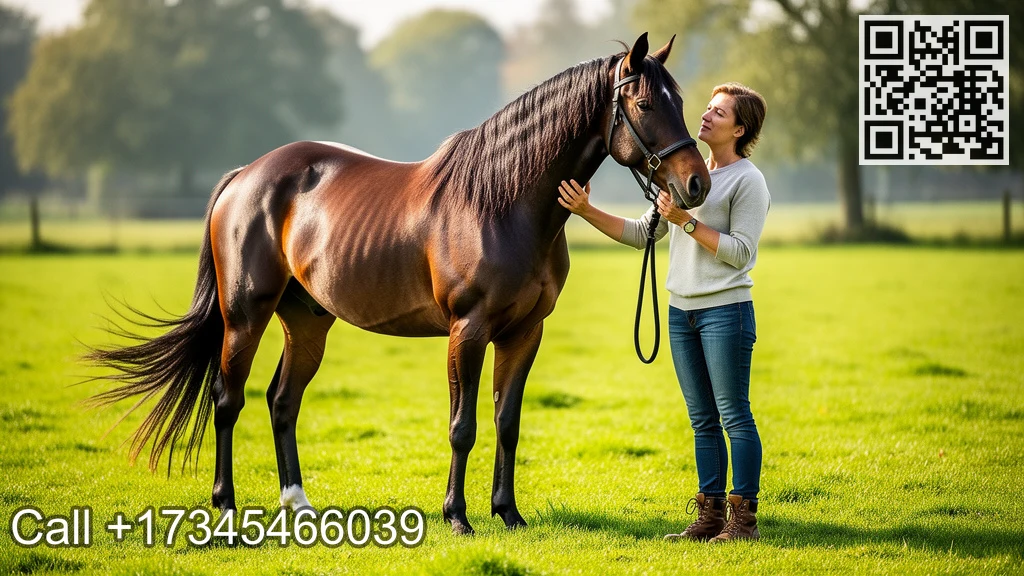
The trick is to stay clear of turning the barn right into a performance stage. Equines instruct best when agenda loosens a bit. You desire clean objectives, versatile framework, and area for discovery.
Practicalities, spending plans, and the weather condition factor
Logistics issue. A strong half day at the barn needs transportation, boots or tough footwear, waivers, and a plan B if lightning shows up. I top team size to maintain the horse-to-human ratio humane and reliable. Expenses vary by area and group size, however consider it as similar to a well-produced offsite or customized management laboratory. Spend where it counts: knowledgeable facilitators, healthy and balanced steeds, appropriate staff, and time for integration.
Some customers request for a fast two-hour taste. It can function as a spark session, however depth requires time. My favored layout is a sequence: a half day for structures, a follow-up session 4 to six weeks later on, and a capstone back https://www.hhooves.com/contact-us at the barn or on site where we translate steed lessons directly right into your team's workflows.
If you remain in a dense urban area, we can adjust. Some programs bring a small group to a suburban center. Others split an accomplice across multiple barn days. Online duplication is limited, yet I have actually utilized video of steed interactions as motivates for leadership conversations and body-based practices on electronic camera. It is not the same, but it keeps discovering alive.
Notes from inside the work
The most common shock for leaders is exactly how radically less they need to do as soon as they are clear. In the arena, when a person's body, breath, and objective align, the steed frequently picks to comply with without a pull. The 2nd shock is just how much silence assists. In groups, we often fill room due to the fact that we are anxious. The horse reveals a 3rd option: anchor in presence, let the ask land, discover the smallest motion towards Yes, and compensate it. That tiny moment, the first shot, is also where society modification begins. Reward tiny relocate the ideal direction. Individuals, like steeds, will certainly provide more.
There are likewise limits. Not every exercise suits every horse or every team. I as soon as shelved a preferred task due to the fact that it subtly encouraged dragging. We redesigned it so the only way via was with selection. Our obligation is to shape tasks that recognize the equine's company and the human's dignity.
And here is a peaceful reality. Steeds do not hold animosities. They meet you as you are, each time. Bring a frenzied morning right into the arena and the equine will reveal you what it sets you back. Reset your feet, breathe, and ask easily, and the horse provides you a fresh shot. Lots of leaders need that pointer, to use the very same grace to their team and to themselves.
Getting started
If the idea of gaining from a thousand pounds of honesty appeals to you, start small. See a credible program. Enjoy a session. Notification your own breath when a mare ambles over and infuses your hand. Photo your team exercising one clear ask, one clean launch, in the areas that matter: during a code testimonial, a budget plan settlement, a person handoff, the institution pickup line.
Equine-assisted training is not a magic stick, however it is an unusual room where talk paves the way to fact that you can really feel in your bones. Within the bigger umbrella of equine-assisted services, it supplies leaders and teams a direct course to symbolized abilities. Pair it with strenuous debriefs and on-the-job method, and those abilities will hold under pressure.
We call the work lead with heart for a reason. The equine helps you discover the facility that individuals can rely on. From there, method lands, groups cohere, and job obtains human again.